Resources: a quote check and the reading that goes with it
Use the check on a quote you already have, before you sign anything. The reading below explains why each question is there, and what to do with the answer. Nothing on this page recommends a business. It is a way of reading the paperwork you already hold.
What a quote is supposed to settle
A quote does three jobs. It says what will be built, it fixes what the work costs, and it says who answers if the work goes wrong. Most of the trouble first-time hirers run into happens where one of those three is missing or vague. A quote can look complete on the first page and still leave one of the three open, which is why the check goes line by line through the paperwork. The check runs in your browser, so it stores nothing and sends your answers nowhere.
Check your own quote against seven questions
Answer each question about the quote in front of you. The check works the same whether the job is a patio, a kitchen, a foundation repair, a plow contract, or work on a rental you own or look after. Pick the option closest to what the paper says, even when that is not the answer you hoped for. A verdict appears once all seven questions are answered, and the reason for every answer is shown beneath it.
Verdict
This check assumes you are looking at a written quote for work you are about to hire for. It reads the quote's wording and the contractor's paperwork only. It does not judge the price, the quality of the work or the contractor's record, and it is not legal advice. Confirm current Massachusetts rules with the state's Office of Consumer Affairs and Business Regulation. Nothing you enter is stored or sent anywhere.
The parts of a quote that carry the risk
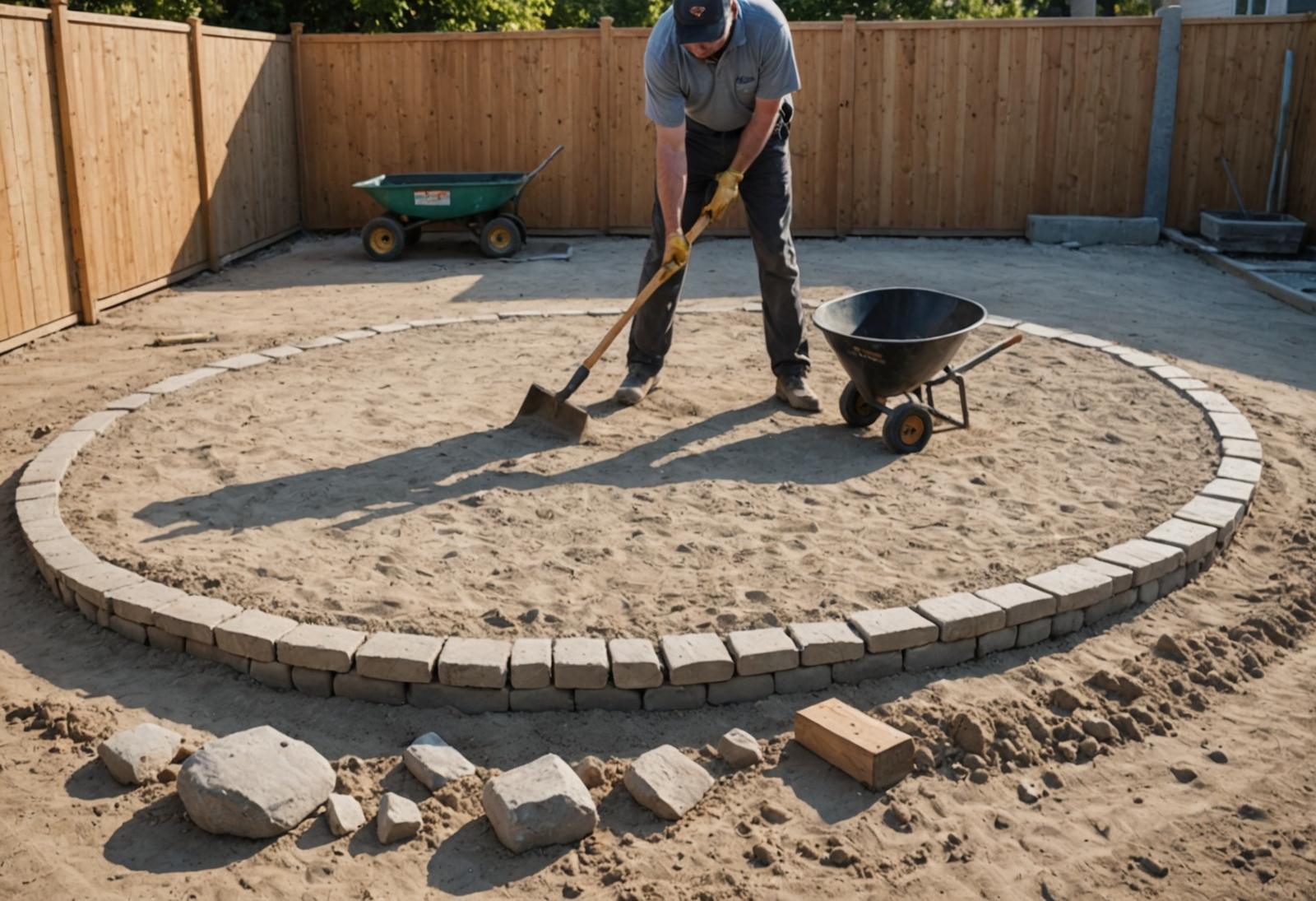

Two outside sources to check against
- Concrete Masonry & Hardscapes Association: certification programs, the trade body's installer certification for pavers, retaining walls and stone veneer, with a directory for checking a certified installer.
- University of Wisconsin-Madison Extension: hiring a landscape professional, a homeowner's checklist for goals, portfolio, insurance, estimates and contracts. It is written for Wisconsin, so check Massachusetts rules separately.
Using the verdict, one step at a time
- Answer from the paper in front of you, not from what you remember being told. If you have to guess at an answer, pick the option closest to the paper and let the verdict show the gap.
- If the verdict is Sign it, read the signed version against your notes once more and keep a copy of everything, including payment records.
- If the verdict is Ask these things first, send the flagged questions to the contractor in writing and wait for written answers before you sign.
- If the verdict is Get another quote, ask each contractor for the same written scope and compare the new quotes line by line before choosing.
Where readers usually get stuck
- What if the contractor says the written scope is a formality?
- A written scope is what the price is for, so treating it as a formality is itself worth noting. Ask the contractor to explain in writing how the quote and the finished work will match. An answer that cannot be written down is the reason for the flag, and it is a fair thing to take to another quote.
- Does a verdict mean the contractor is good or bad?
- No. The verdict is about the quote's wording and paperwork, not the contractor's workmanship or record. Sign it means the quote is complete on these points, and it says nothing about whether the job will go well. Treat the verdict as the start of the checking, not the end of it.
- Can I use the check for a rental or a property I look after?
- Yes. The questions are about paperwork, so they apply in the same way to a home you own, a rental, or a property you manage for someone else. The reasons shown under the verdict will be the same whoever the work is for.